
Threat Actor Profiling Framework Explained
A threat actor profiling framework helps CTI teams map capability, intent, and behavior to improve detection, prioritization, and response.

Cyber threat intelligence analyses and reports
54 posts found
A threat actor profiling framework helps CTI teams map capability, intent, and behavior to improve detection, prioritization, and response.
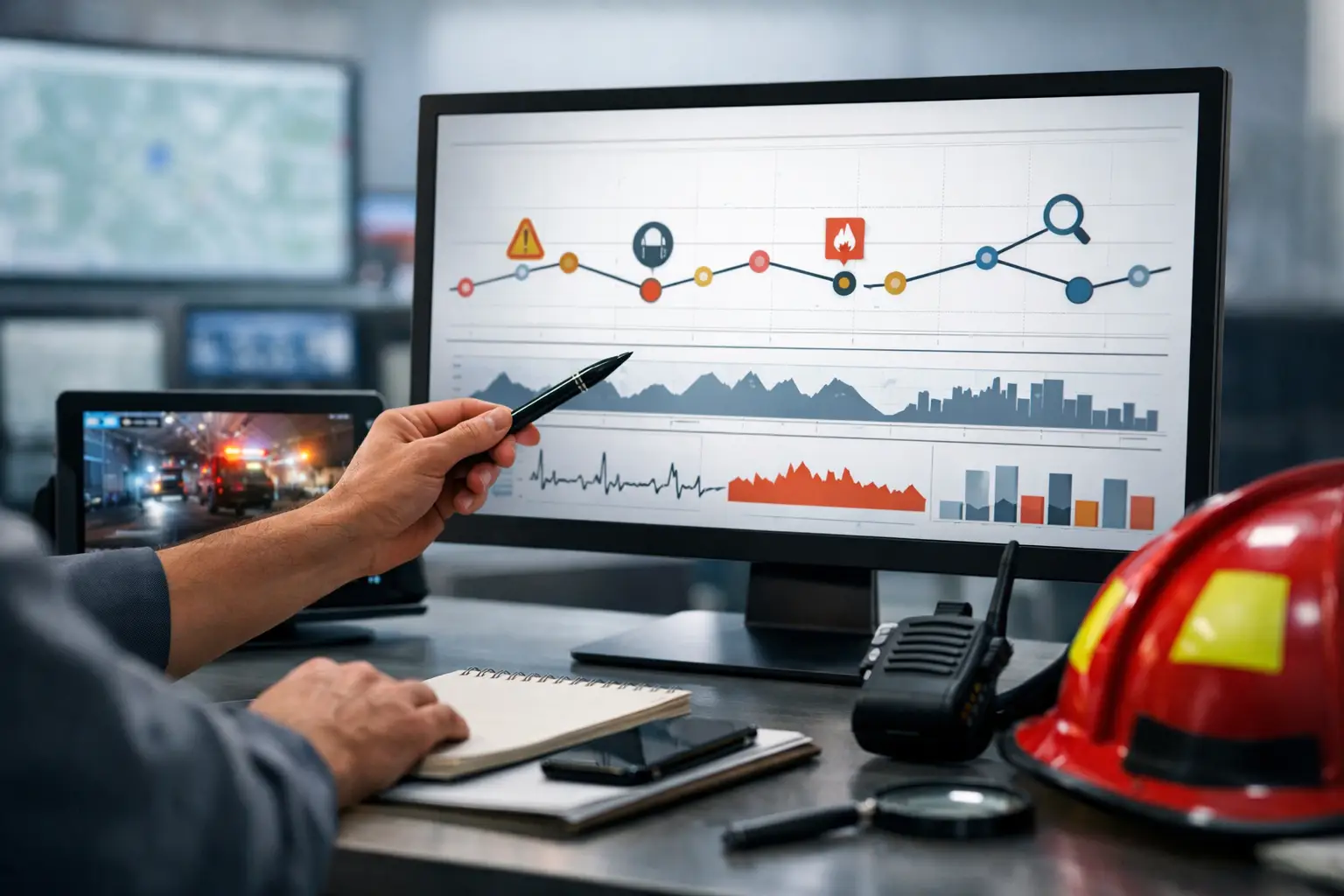
A practical guide to MITRE ATT&CK mapping for SOC, CTI, and IR teams. Learn how to map evidence to techniques accurately and avoid common errors.
A practical incident timeline analysis guide for responders, covering data sources, correlation, validation, and common pitfalls in cyber investigations.
A vulnerability prioritization guide for security teams that moves past CVSS and ranks flaws by exploitability, exposure, and business impact.
Track supply chain attack trends shaping 2025, from build pipeline compromise to trusted vendor abuse, with practical detection and defense guidance.
Learn how to build threat feeds that analysts trust, with source selection, normalization, scoring, QA, and delivery models for SOC operations.
Learn how to triage phishing alerts in a SOC using headers, auth checks, sandboxing, and user context to cut false positives and escalate fast.
The best threat intelligence sources help SOC and CTI teams turn noise into action with timely telemetry, malware research, and actor context.
A spear phishing investigation example showing email analysis, identity artifacts, log correlation, and response decisions for SOC teams.
A ransomware intelligence reporting guide for SOC, CTI, and IR teams covering scope, data sources, attribution limits, and decision-ready outputs.